Learning through play
Play gives children opportunities to try ideas, practise skills, make choices and build relationships. Through stories, creative activities, conversation and hands-on exploration, children can learn at their own pace.
LEARNING & PLAY
Stories, movement, creativity and curiosity — learning through play.
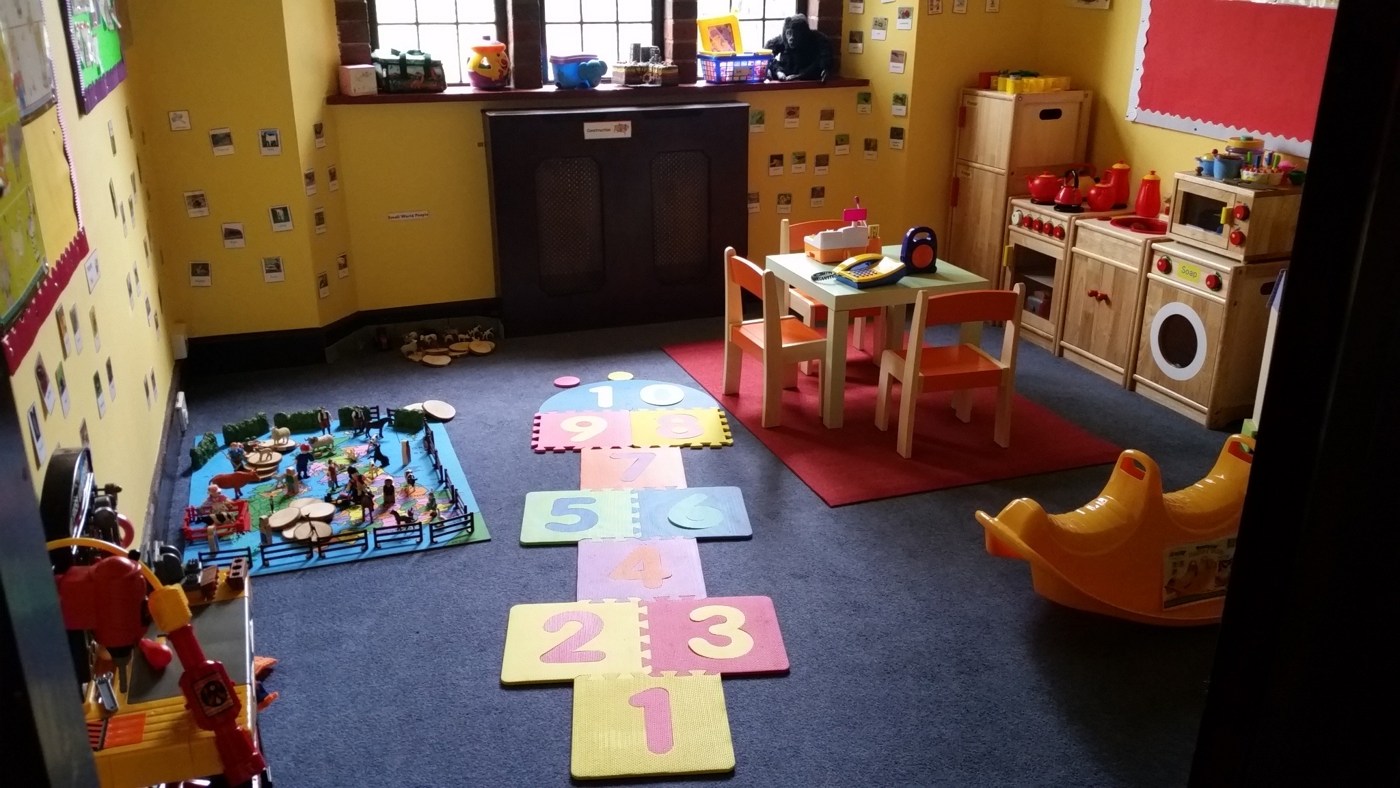
Play gives children opportunities to try ideas, practise skills, make choices and build relationships. Through stories, creative activities, conversation and hands-on exploration, children can learn at their own pace.
Talking, listening, singing, rhymes and sharing books help children express themselves and enjoy conversations. Imaginative play provides opportunities to build vocabulary and share ideas.
Positive relationships help children feel secure and develop confidence. Playing alongside others gives children opportunities to practise taking turns, express feelings and build friendships.
Active play helps children develop balance, coordination and control. Drawing, modelling, building and handling small objects offer opportunities to develop the hand skills used in everyday tasks.
Books, songs, mark-making and storytelling encourage an interest in language and print. Counting, sorting, matching and exploring shapes bring early mathematical ideas into play.
Children explore the world through observing, asking questions and sharing experiences. Nature, familiar objects, family traditions and the changing seasons can all inspire curiosity.
Drawing, painting, music, movement, construction and pretend play offer different ways for children to express ideas. The process of exploring and creating matters as much as the finished result.
Our practice follows the Early Years Foundation Stage (EYFS). The areas described above connect with one another: one playful experience can support communication, movement, creativity and confidence together. Activities are matched to children’s development and interests.
Preparing for school includes feeling confident, communicating needs, building friendships and growing independence. Please talk with us about your child’s next steps and how we can support their transition.